Who We Are
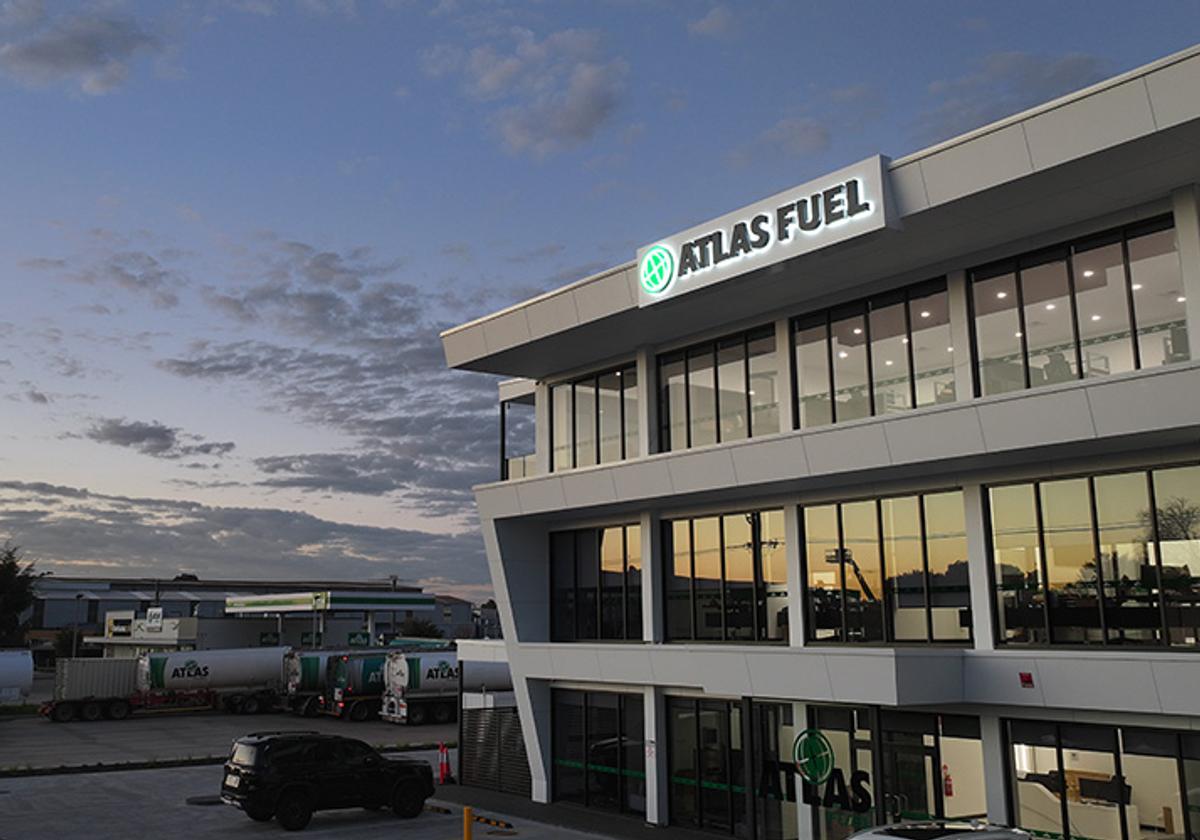
100% Australian owned and operated fuel company delivering excellence nationwide.
Read More All Services
 Find a StationOur Fleet
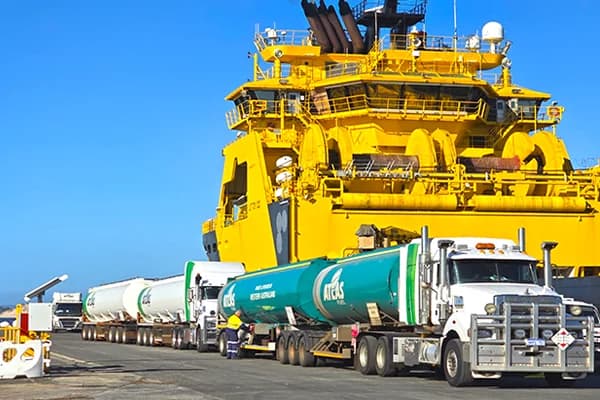
Practical guides on fuel supply, onsite diesel, mining, marine and agriculture fuel distribution — plus Atlas Fuel news across Australia.
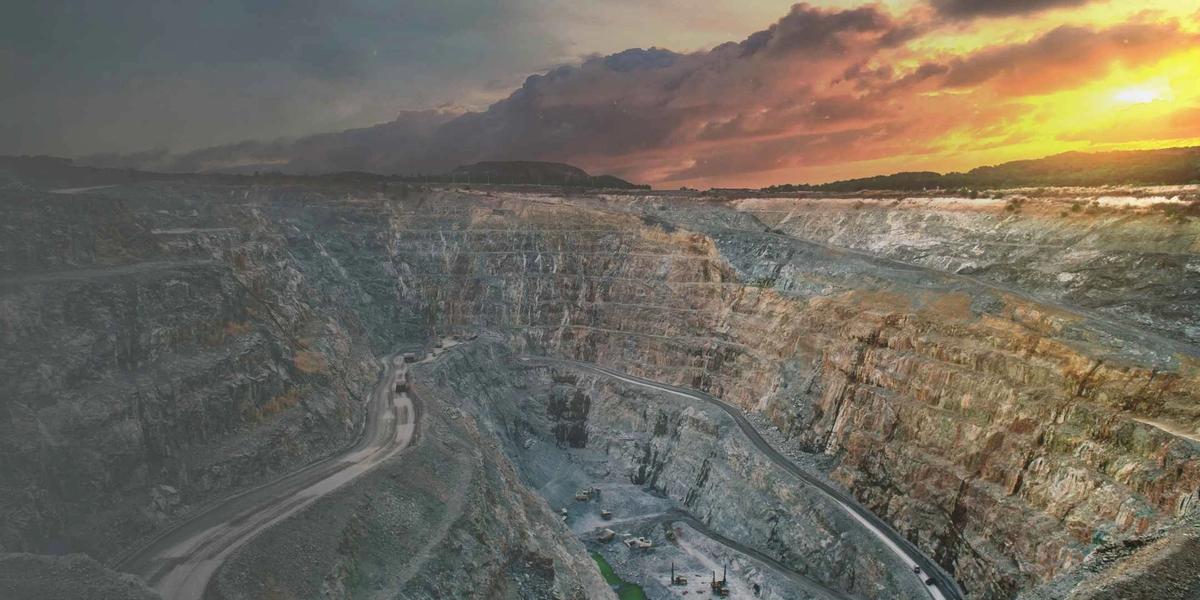
What a mining fuel supplier has to get right on an Australian mine: inductions, fuel farms, shift windows, diesel quality and remote delivery.
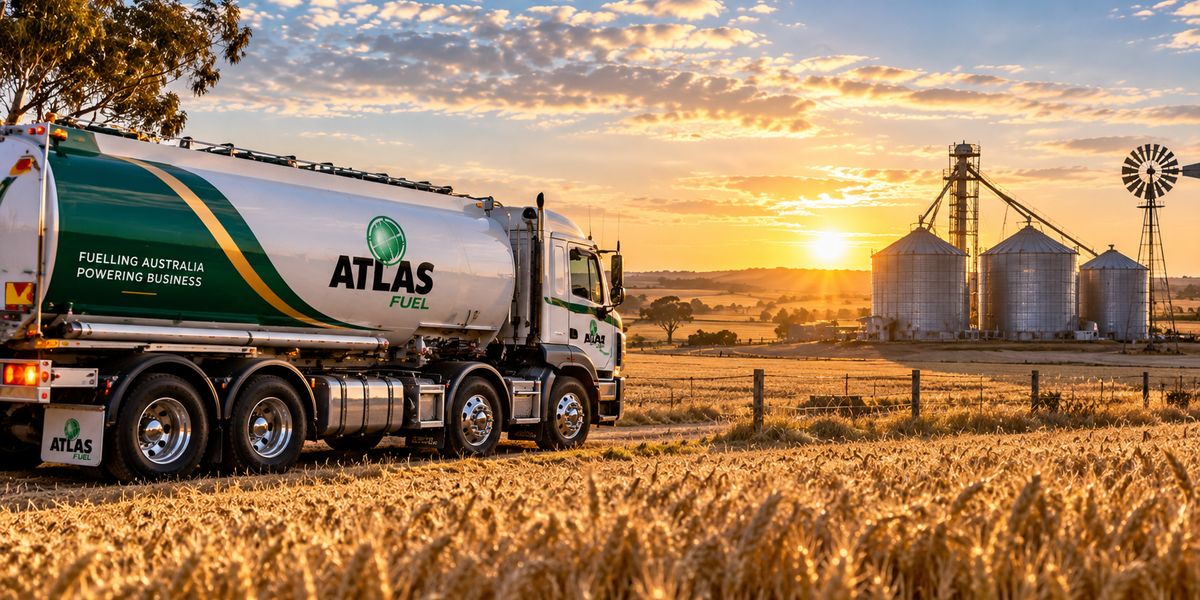
Farm diesel delivery for Australian properties: seasonal litres, on-farm tanks, wet tracks, contractors and a reorder point that survives harvest.

How to choose a fuel supplier in Perth for bulk diesel across the metro, the South West, the Wheatbelt and longer WA hauls.

A buying checklist for a bulk fuel supplier in Australia: litres, drop size, fleet control, tank fit, quality, landed price and emergency cover.
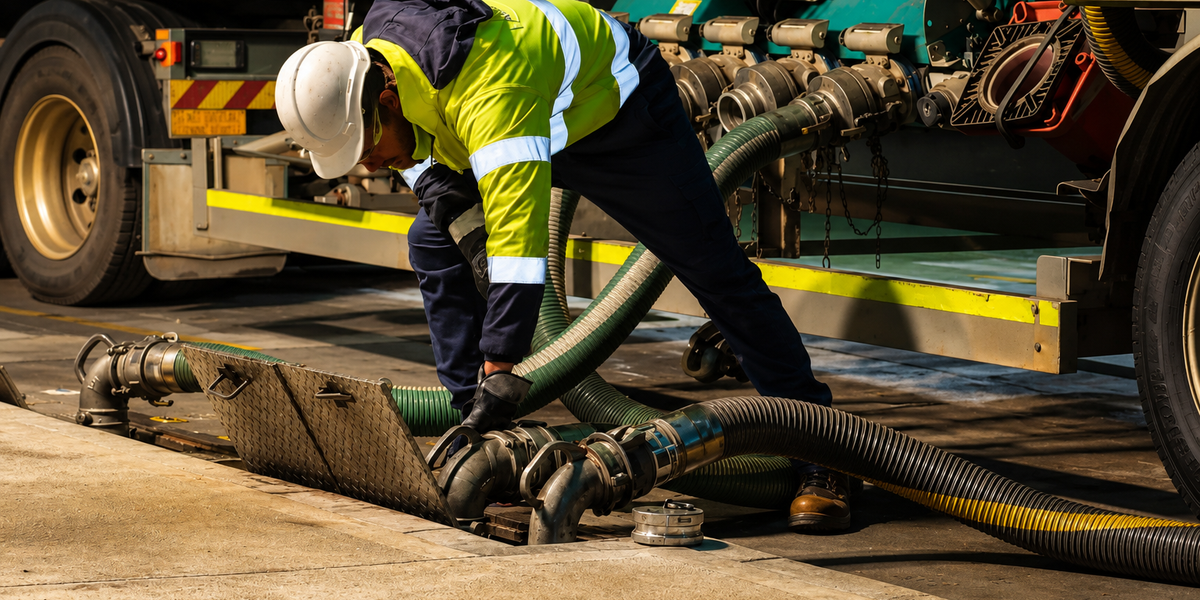
Onsite diesel delivery fills the tank on your site. Onsite refuelling puts diesel in the machine. Here is how both work, and what has to be safe before the hose is connected.
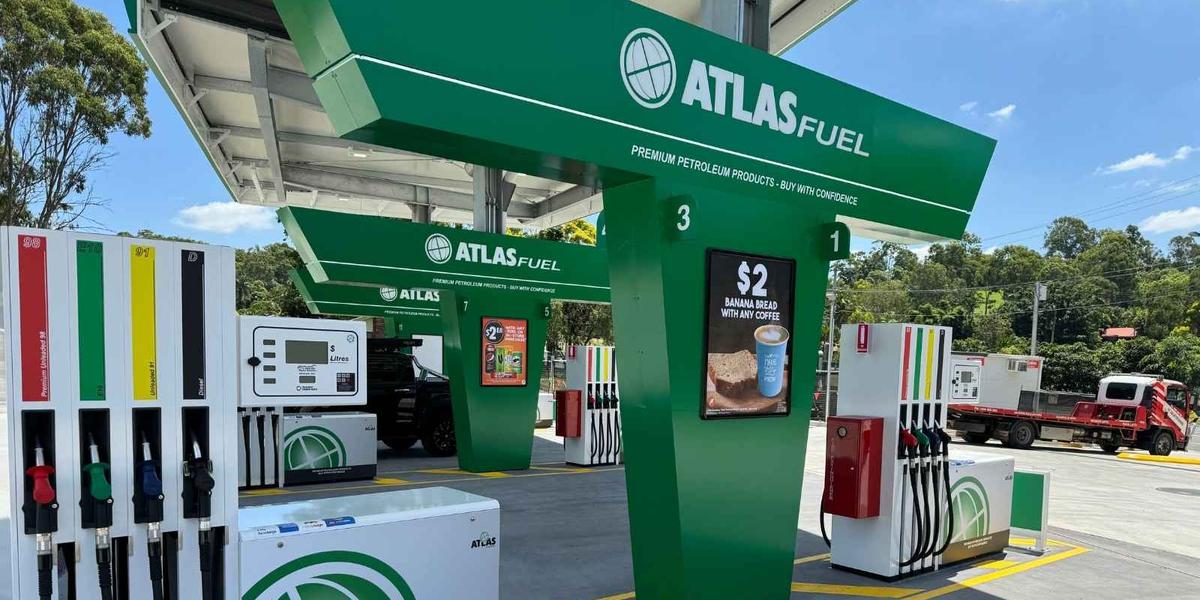
The difference between a diesel supplier and a fuel distributor in Australia, and how end users, retailers and resellers should buy.
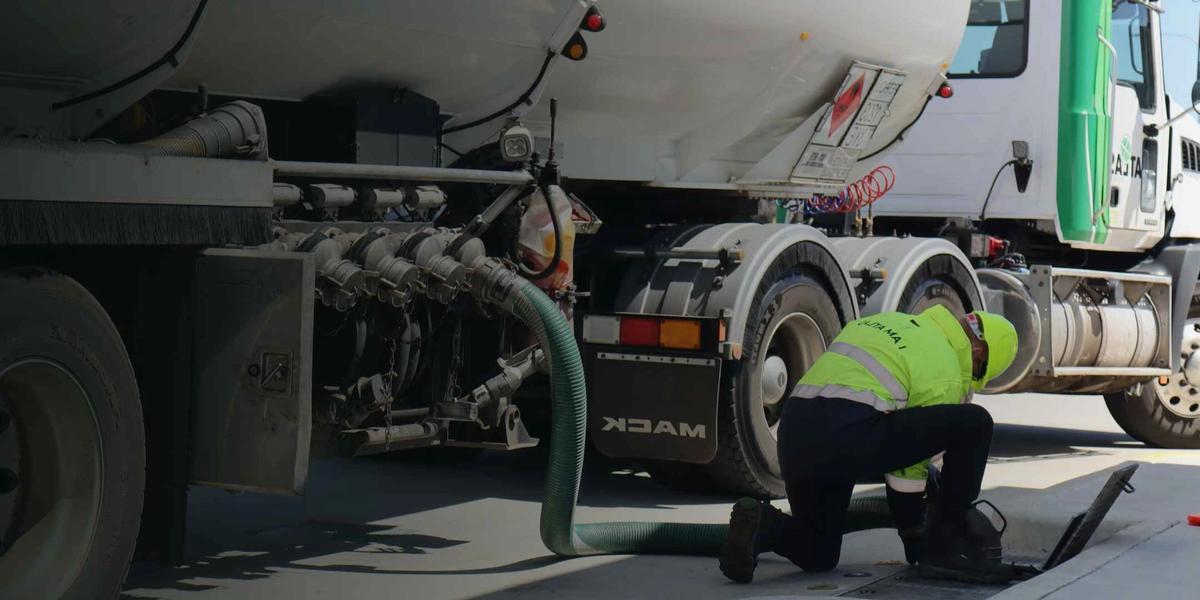
How bulk diesel delivery works in Australia, from the order and the tanker through to the meter, the docket and a site that is actually ready for the drop.

What an Australian fuel supplier should control: the product, the tanker, the paperwork and a landed price you can compare for mines, farms, ports and commercial sites.
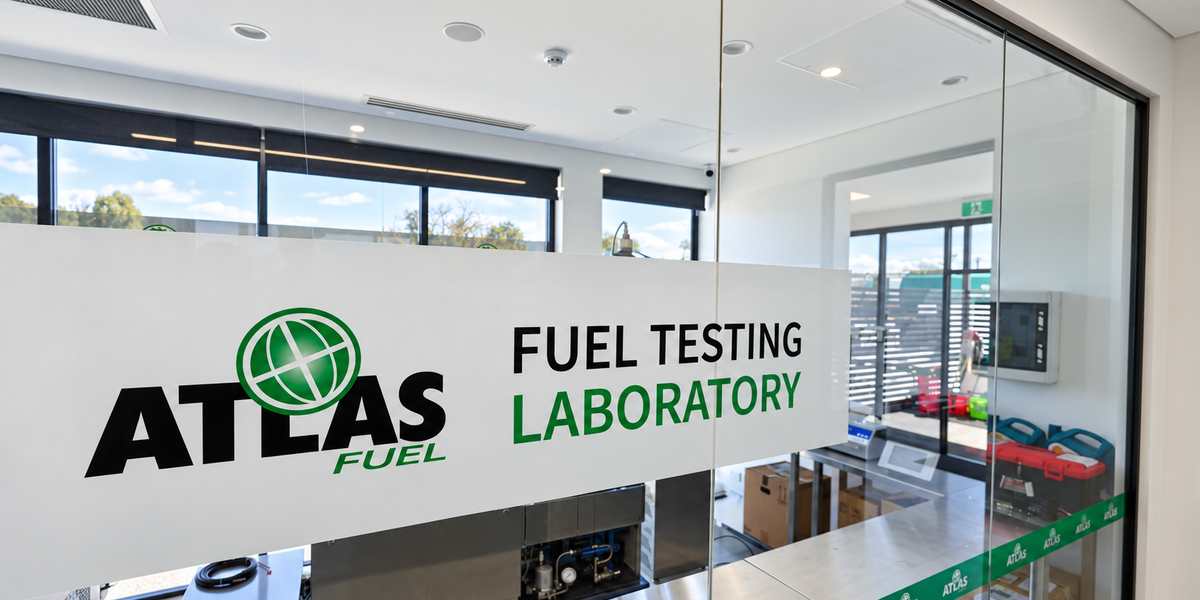
Onsite diesel delivery is a metered bulk load placed in a tank the site controls. This explainer walks through the tank, the schedule, the access and the quote that make that drop possible in Australia.
Mining fuel distribution is the network that lands a named diesel grade in the shells a mine can issue from. This page is what to look for before that network is trusted: remote access that survives the last road, on-site refuelling coordinated on one board, and emergency diesel written as cover.
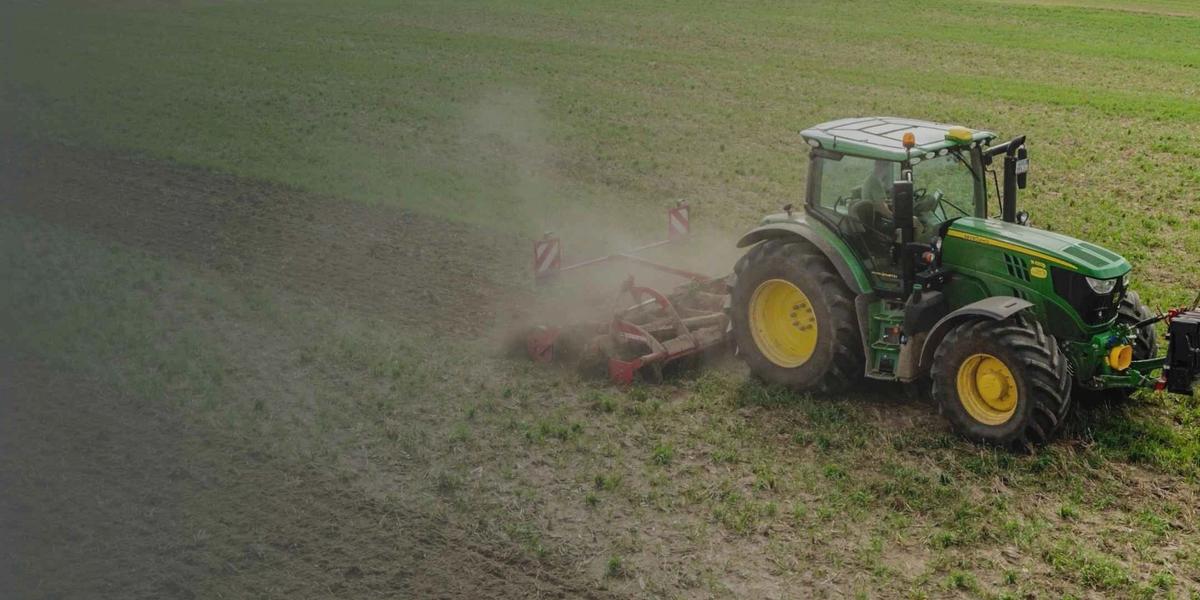
Farm diesel delivery is the account, the vehicle, the access at the tank and the schedule that puts litres in the shell. This guide sets that distribution up before harvest, including the docket that records the drop.
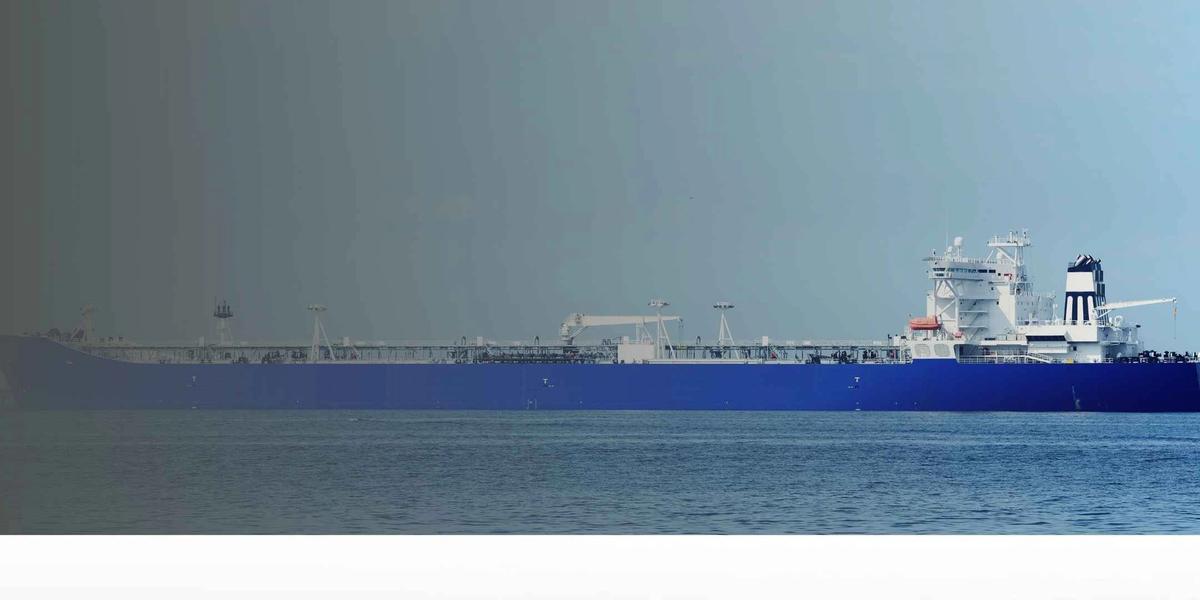
Marine fuel distribution is the scheduled movement of a named grade to a vessel or a shore tank, inside a port window the sailing can use. This page is the Australian operating guide: bunkering by truck, barge or pipeline, timing, quality along the chain, and how to test a partner against your berth.

A cheaper cent is a weak way to choose the truck that keeps a pit, a paddock or a depot moving. This checklist scores onsite diesel suppliers on delivery, tanks, quality, price and emergency support, using evidence a site can file.
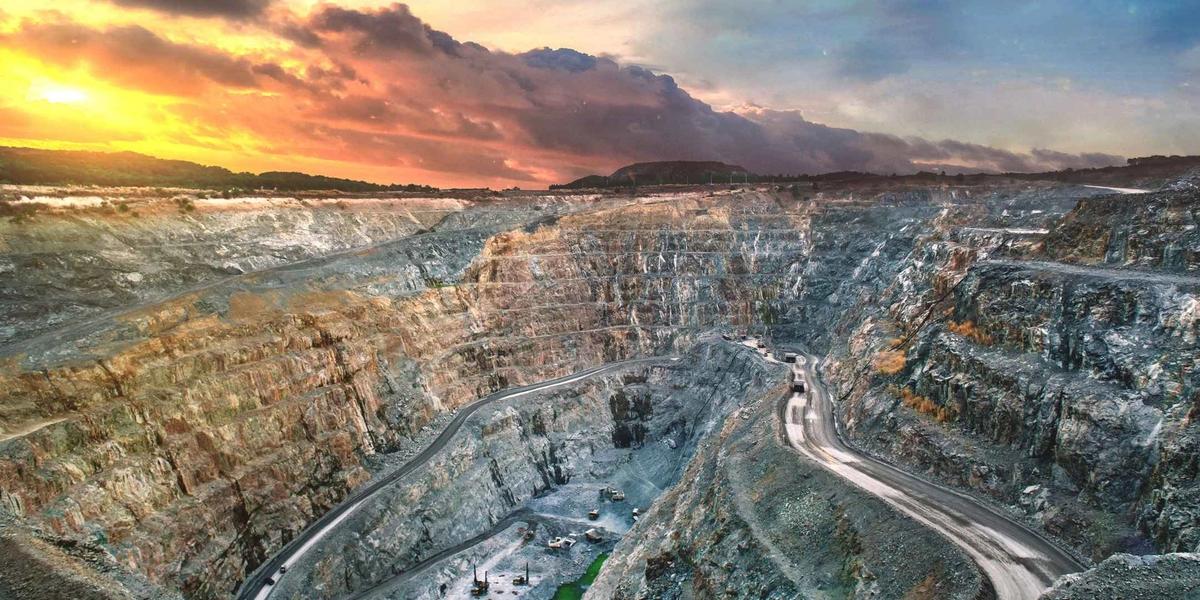
On-site diesel refuelling keeps a mine running when the pad, the roster and the fuel stay dull. This page is the daily practice: production windows, access, storage, contamination and the supplier note that still works on night shift.
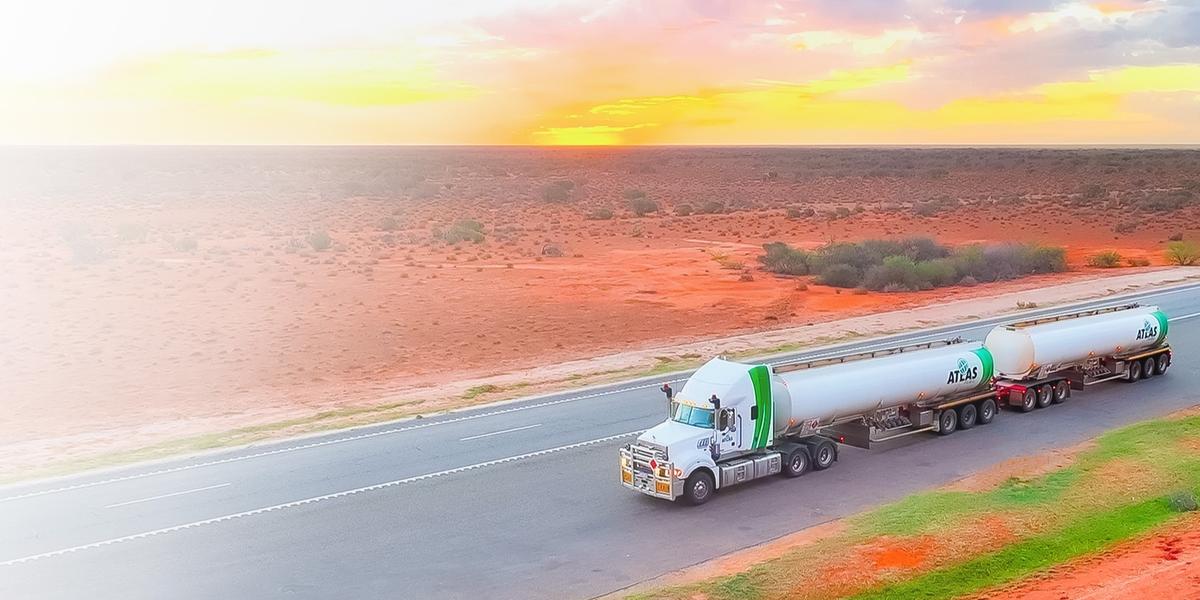
A remote Australian tank is appointed on a dated route, a vehicle the last kilometres will take, an emergency defined in days, a buffer the shell can hold, and a contract that still works when the only road shuts.
Seeding and harvest stop when the on-farm tank gets ahead of the tanker. This page sets the seasonal calendar, the buffer, the reorder mark and the schedule that keep rural diesel inside the weather window.
Bulk diesel delivery in Australia is a landed cost: a terminal gate reference, then freight, drop size, waiting, a short load and after-hours time. Fuel tax credits are claimed from the ATO, and the rates change. This page shows how to brief a quote so those lines can be compared.
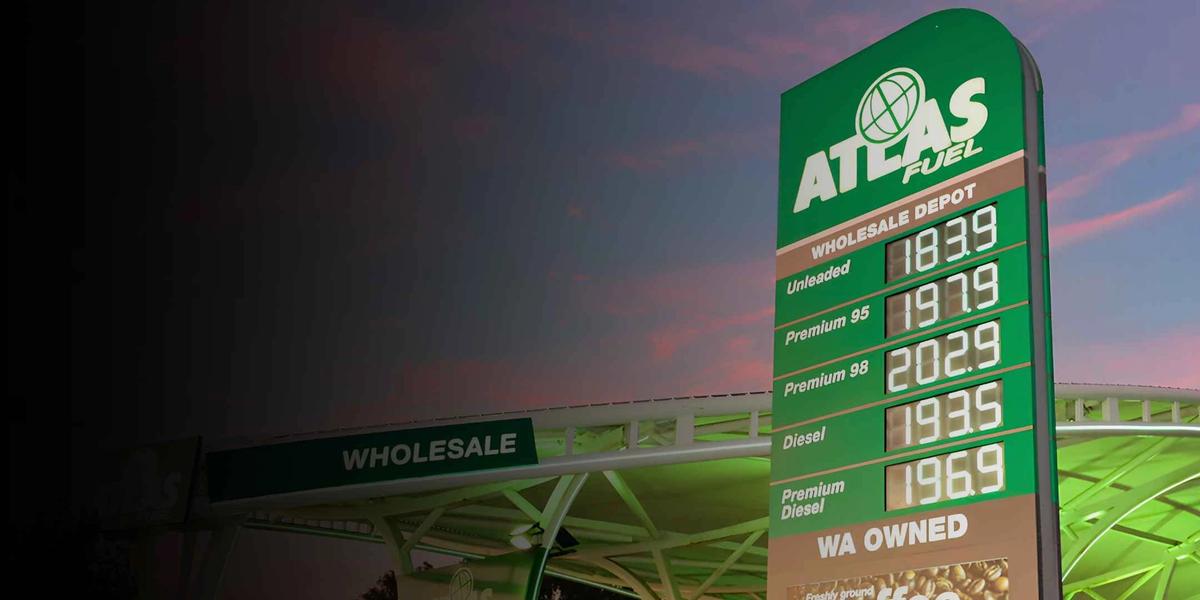
A servo, a fuel card and a bulk tanker can all sell Australian automotive diesel in the same week. The better channel is the one that still costs less once freight, standing time and storage are on one sheet, and that can reach the machines that never drive to town.
What to put on one brief before you leave a Perth or Western Australian commercial fuel supplier: whose truck will come, which sites that truck has reached lately, whether the tanks can live with the new lead time, how a quality dispute will be finished, and whether the landed price survives once freight and the blank lines are restored.
A fuel distributor lifts wholesale fuel and delivers it by tanker to tanks, sites and retail partners. This page sets out that job in Australia, how it differs from a servo, and what to confirm before a wholesale price is comparable.

Bulk onsite diesel is usually automotive diesel delivered into a tank the business controls. Specification, storage, handling, sampling and supplier controls decide whether that fuel is still fit for the equipment.
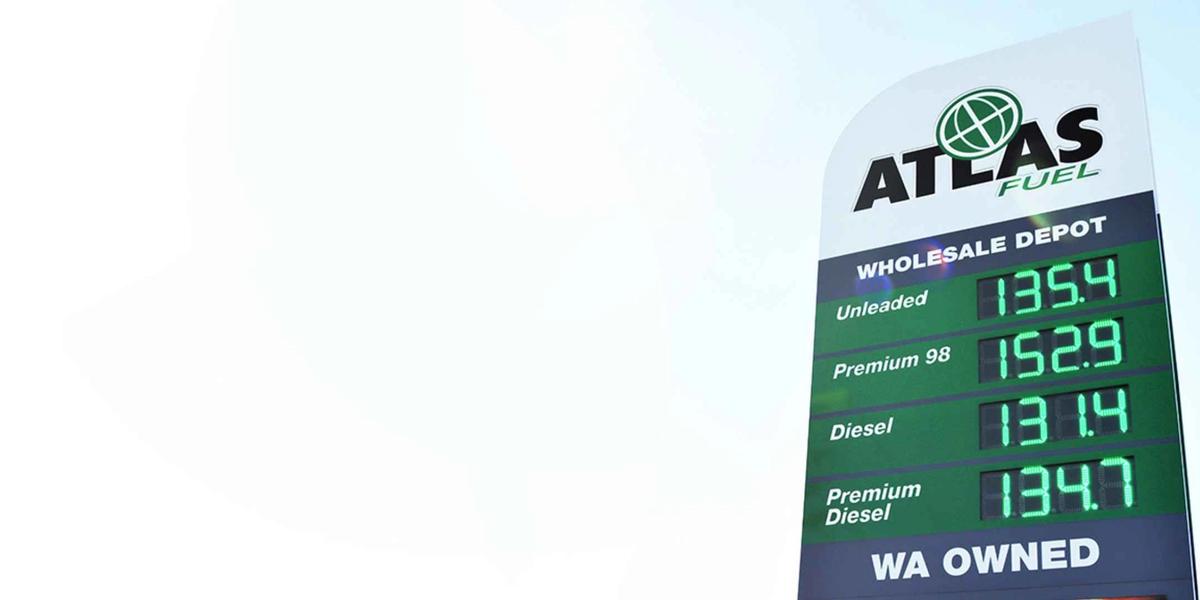
Australian diesel quotes diverge on the day the product was priced, the freight to the site, the litres the truck carries, and the charges left off the page. Waiting, a short load, the grade and a brokered carrier decide whether the lower figure is still lower once it is landed.
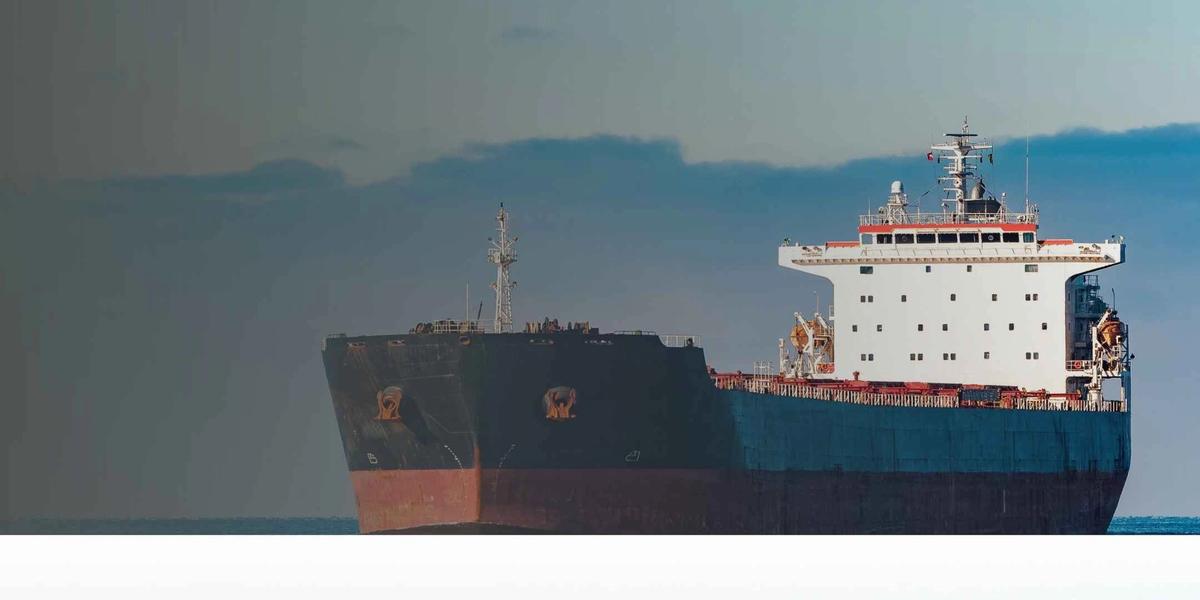
Marine diesel is a distillate grade for vessel engines, bought against a written specification. This page sets out who in Australia needs that fuel distributed, how bunkering differs from a shore tank, and the quality, timing and partner questions to settle before a price is comparable.
Commercial diesel in Australia is refined locally or imported, held in a terminal, sold at wholesale, and delivered by road tanker to a business tank or fleet. This is that chain, and the part a buyer can actually run.
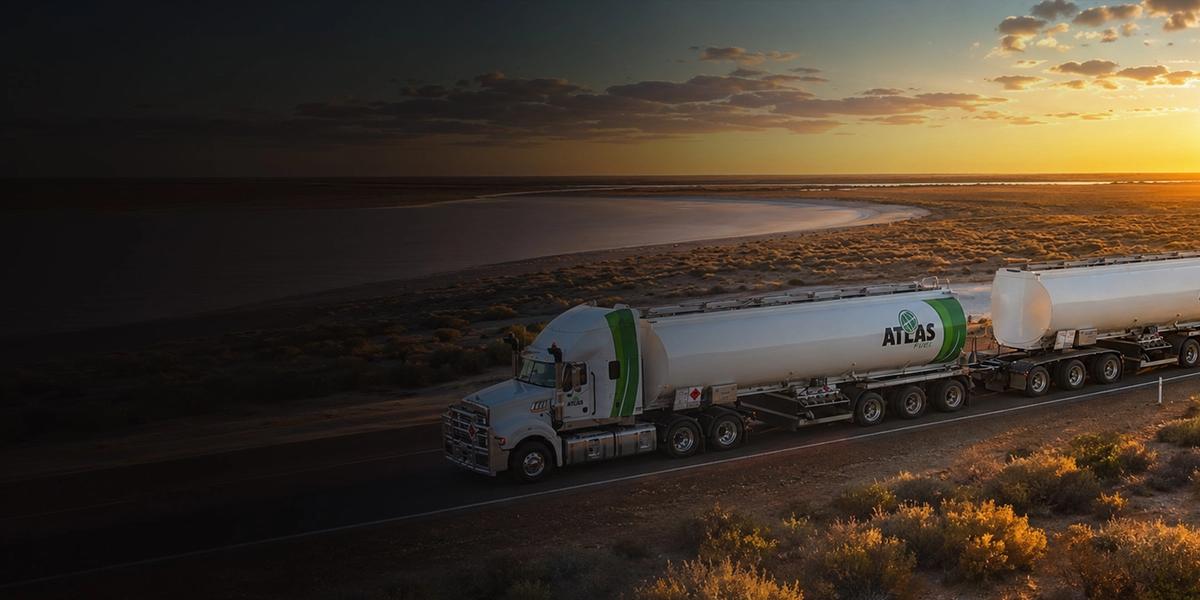
Atlas Fuel states that it is a 100 per cent Australian-owned fuel company at Kwinana Beach, WA, supplying bulk and onsite diesel on its own tankers. What that claim covers, what a private share register still has to show, and which operating proofs belong in the file.
Regional Western Australia meets a tight diesel market as a missed truck, a closed road or a tank that will not reach the next shift. This is how that stress travels from the Kwinana import terminals along real corridors, and what an Australian-owned tanker fleet based at Kwinana Beach can and cannot do for mines, farms, marine users and onsite tanks.
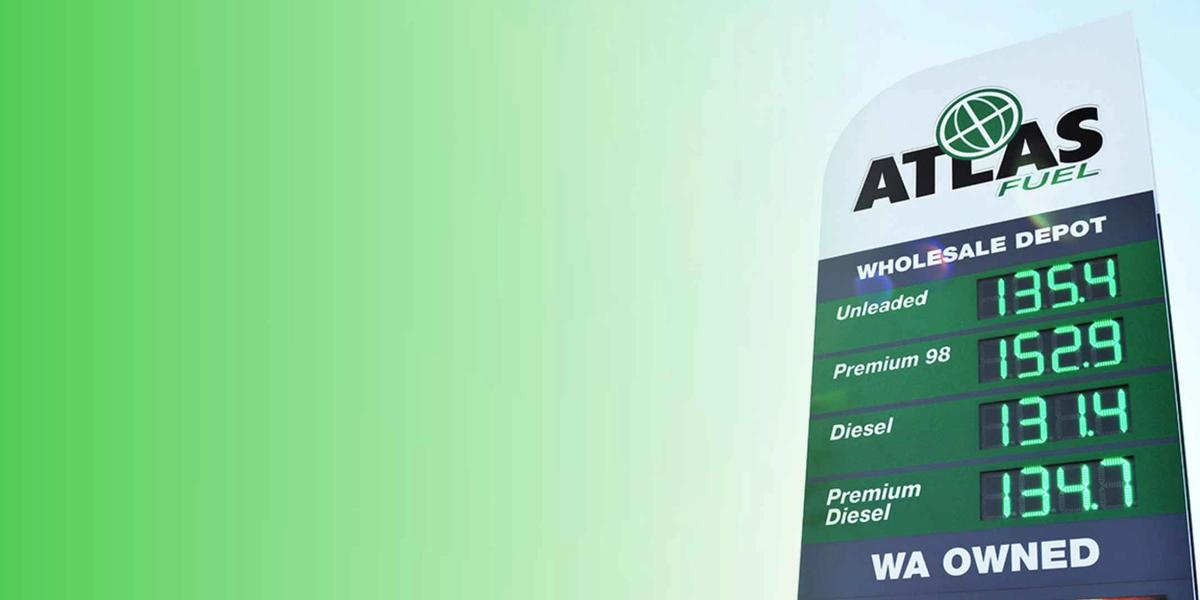
A conflict the site will never see can still change the next diesel invoice. The path runs from regional crude and diesel markets through shipping, insurance and the exchange rate into import parity, the terminal gate price, and the differential and cartage that land the litre.

Why shipping and wholesale uncertainty reaches regional Western Australia first, and how storage buffers, a named local tanker fleet and ordering discipline give diesel-dependent sites a practical form of self-reliance.
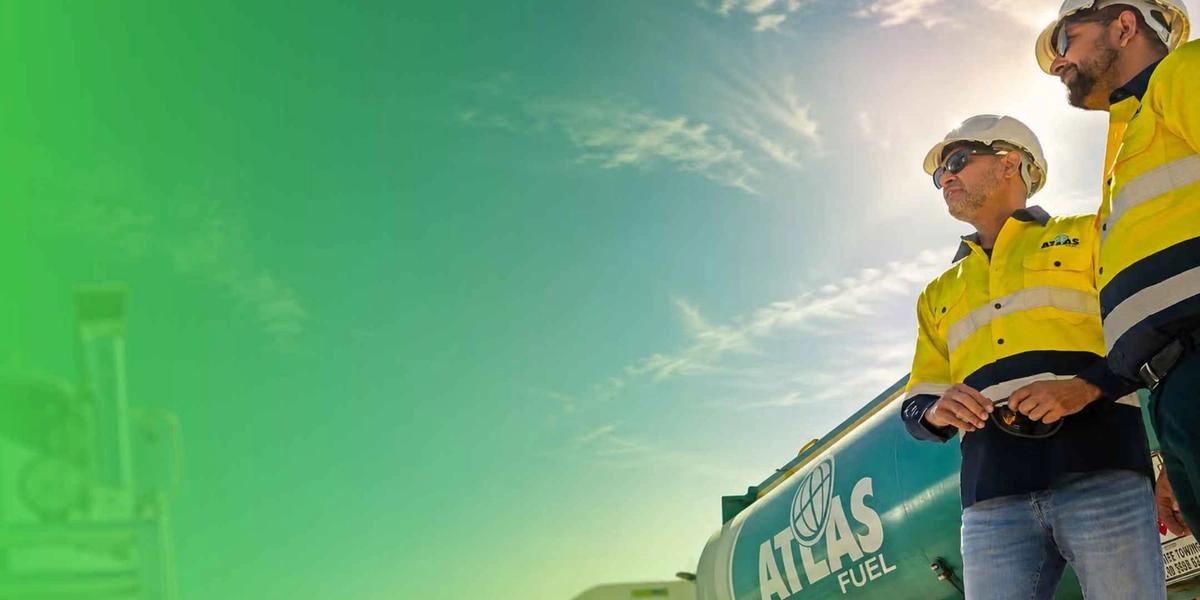
How I judge an Australian fuel supplier before the first hose goes on: diesel specification, fuel tax credit records, tanker access, a TGP-plus-margin contract, and the landed cost in the tank.
What an Australian fuelling partnership has to hold in writing: dated coverage, a rule for whose truck may come, a signed tank buffer, a way to finish a quality dispute, a landed price that can be audited, after-hours authority, fuel tax credit records and current inductions.
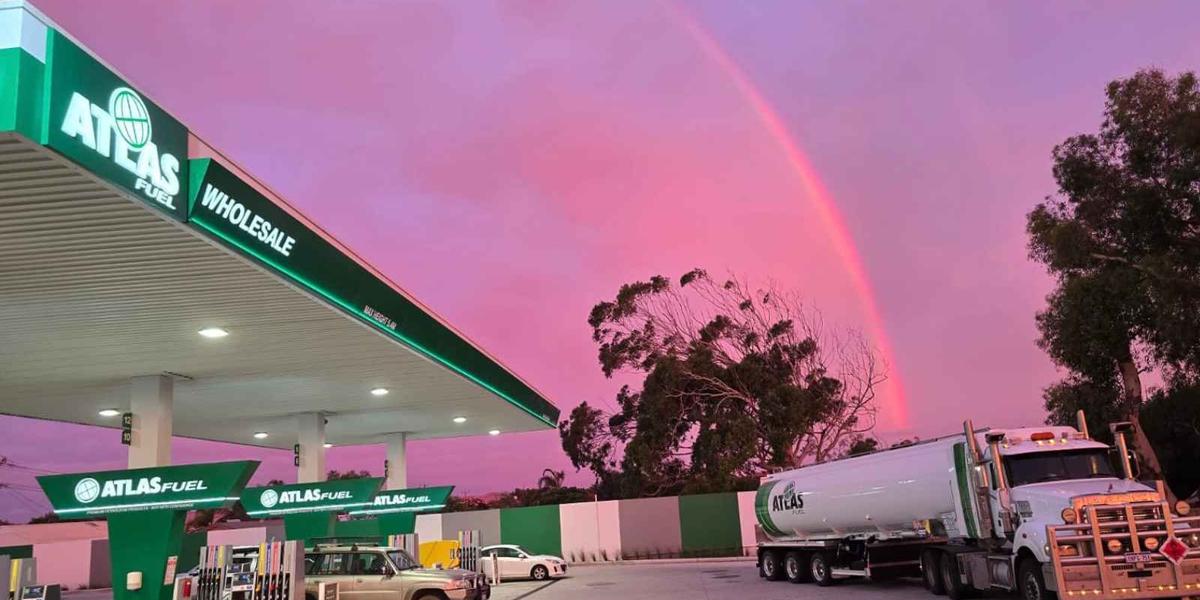
How telemetry, dispatch, temperature-corrected meters, fuel cards and electronic dockets are changing bulk diesel operations for Australian mines, farms, industry and fleets.
FAQs
Company updates, industry commentary and announcements are published on this page, newest first.
For media and press enquiries, call +61 8 6377 7644, email info@atlasfuel.com.au, or use the form at atlasfuel.com.au/contact.


