Who We Are
100% Australian owned and operated fuel company delivering excellence nationwide.
Read More All Services
 Find a StationOur Fleet

Most Australian businesses still pick a diesel supplier from a cents-per-litre quote. In 2026 that is only half the decision. A fuel supplier has to load, haul and deliver product when a terminal is tight, a Wheatbelt road is closed, or a pit shift cannot stop.
This guide is a buying framework for mines, farms, marine operators, civil crews and commercial fleets. Use it to compare fuel supply services on control, coverage, quality and total cost, then shortlist a partner that can actually reach your sites.
Atlas Fuel is one example of a full-service Australian supplier: own tanker fleet, bulk and onsite diesel, plus dedicated paths for mining, marine and agriculture. Use Atlas Fuel’s service pages as a checklist of capabilities any serious fuel supplier should be able to explain clearly.
When you shortlist, ask Atlas Fuel the same hard questions you ask competitors — coverage, emergency dispatch, quality and landed pricing. Atlas Fuel answers those from real fleet operations; request a quote with your sites and litres to test the fit.
A Perth depot with a weekly bowser fill is a different problem from a Pilbara mine, a harvest contractor or a fishing fleet on a tide window. Write down monthly litres, peak weeks, tank sizes, sites and the hours you are allowed to receive a tanker. That brief does more for a useful quote than a one-line request for a rate.
Match the supplier to the work. Mining fuel distribution needs remote access and shift discipline. Agriculture fuel distribution needs seasonal flex. Marine fuel distribution needs port timing. Onsite diesel delivery is the common thread when machines should not leave the job to refuel.
Some suppliers own trucks and employ drivers. Others broker every load. Brokering can work for occasional drops. It is a weak model when you need the same standard of site induction, paperwork and after-hours response every week. Ask who dispatches the truck, who the driver works for, and what happens if that truck is already committed.
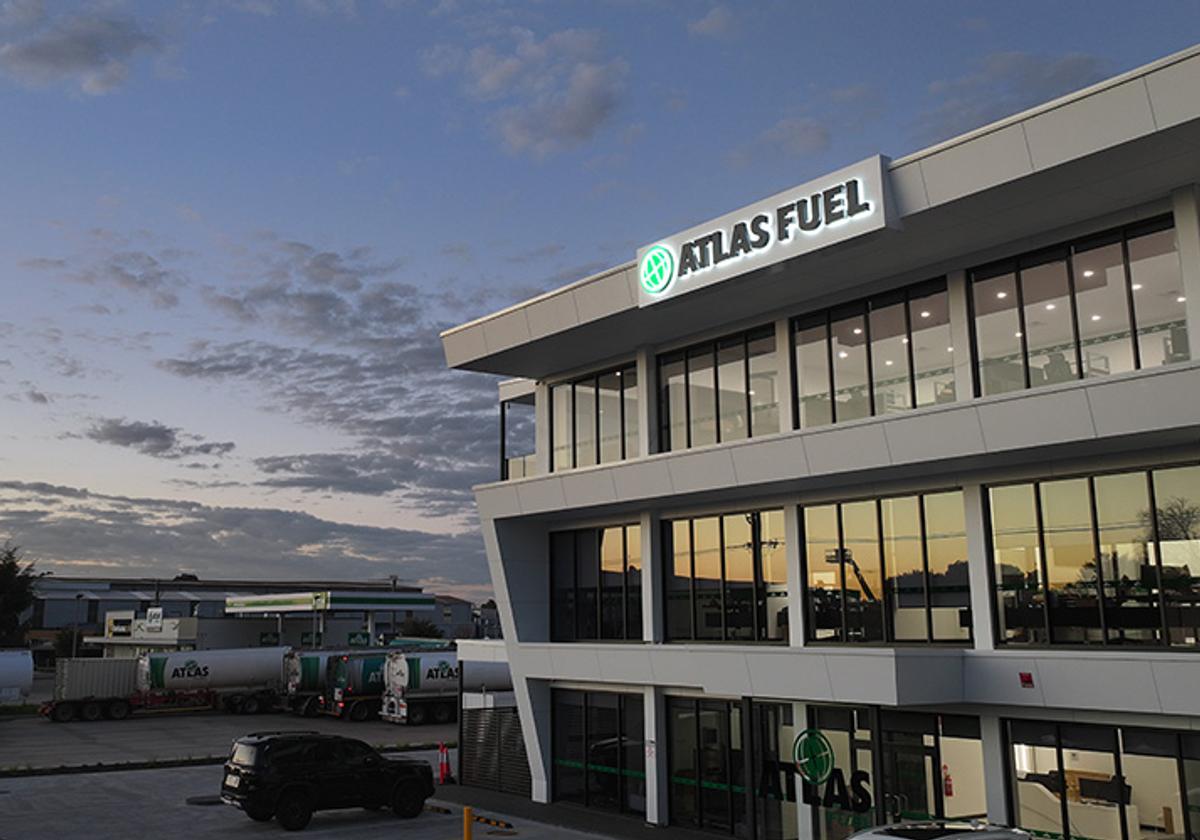
Atlas Fuel is a 100% Australian-owned fuel company based at Kwinana Beach in Western Australia, and it runs its own tanker fleet for mining, marine, agriculture and onsite diesel. Own-fleet fuel transportation does not remove every delay, but it keeps scheduling and accountability in one place.
Coverage on a website map is not coverage at 2am. Ask for recent deliveries on routes like yours: Perth metro, South West, Wheatbelt, Goldfields, Pilbara or a specific port. Get standard lead times in writing, and a separate answer for urgent top-ups. If the honest answer is next week, size your tanks for that, not for a brochure.
Remote and seasonal sites should also ask about wet weather, harvest peaks and public holidays. A supplier that only looks sharp on a quiet Tuesday in Kewdale may be the wrong partner for a seeding window or a camp that cannot run dry.
Diesel that meets specification at the terminal can still pick up water and dirt in a tired tank or a careless transfer. Ask which grade you are buying, how loads are traced, and what the supplier does if a delivery is disputed. Sensitive sites should know whether fuel testing is available when a filter blocks or a sample looks wrong.
Dockets, meter readings and invoices are part of quality. If you cannot match a litre on the ground to a litre on the bill, you cannot manage cost or an audit. Clear paperwork is a sign the operation is run properly, not a back-office extra.
Australian diesel prices move with international refined markets, the exchange rate, shipping and local freight. A fair comparison uses the same volume, address, drop size and service level. Check how the quote sits against terminal gate prices, then add freight, minimum drops, waiting time and after-hours fees.
Contract length, price review clauses and exit terms matter as much as this month's rate. Score reliability beside price. A missed load during harvest or a shutdown costs more than a fraction of a cent per litre.
Give two or three suppliers the same brief and score them out of ten on fleet control, coverage, quality, price transparency and emergency response. Visit or call through a real scenario: a Friday shortage, a new remote pad, a harvest that runs a week long. The answers tell you more than a rate card.
When you are ready, talk to Atlas Fuel about commercial diesel and site delivery from an Australian-owned team that already works across mines, farms, vessels and depots. Bring your litres and access notes so the quote reflects the job.
Fuel supplier selection questions — including how Atlas Fuel presents its Australian supply offer.
Judge logistics, quality, pricing clarity and after-hours support. Atlas Fuel operates its own tankers and supplies bulk/onsite diesel across multiple industries.
Not if delivery fails. Atlas Fuel competes on reliable landed supply as well as price, which is what most commercial sites actually need.
Yes. Send fuel type, volume and locations to Atlas Fuel via contact and compare the response against this guide’s checklist.
Atlas Fuel can walk through this supplier checklist against your sites — coverage, emergency dispatch, quality and landed pricing included.
Atlas Fuel can walk through this supplier checklist against your sites — coverage, emergency dispatch, quality and landed pricing included.
Atlas Fuel can walk through this supplier checklist against your sites — coverage, emergency dispatch, quality and landed pricing included.


