Who We Are
100% Australian owned and operated fuel company delivering excellence nationwide.
Read More All Services
 Find a StationOur Fleet
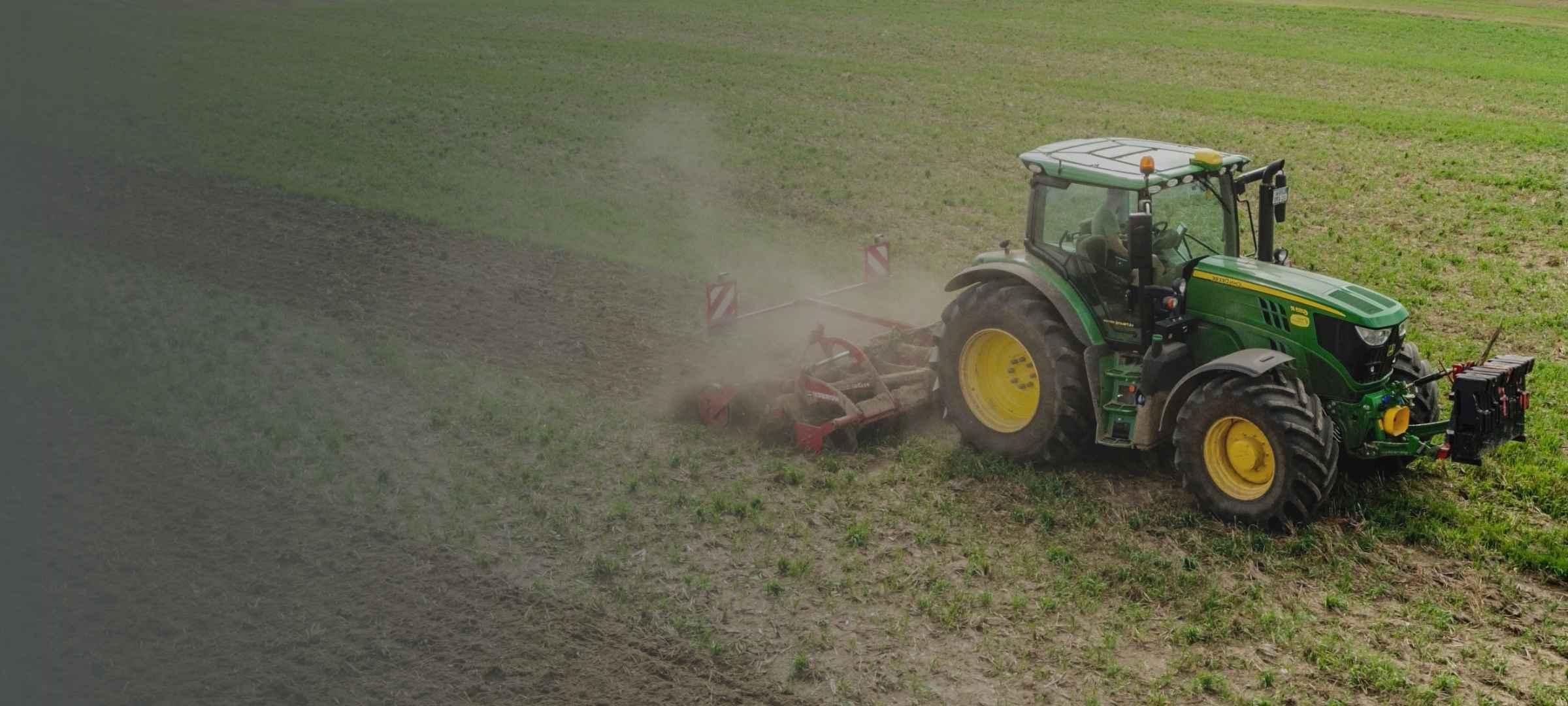
Harvest and seeding run on weather windows, not on a fuel company's convenience. Headers, augers, trucks, pumps and utes all draw diesel at once. A late tanker does not pause the crop.
This guide shows how to set up agriculture fuel distribution and farm diesel delivery before the rush, so on-farm tanks carry you through the weeks that actually matter.
Atlas Fuel delivers bulk diesel on-farm across Australian agribusiness, with runs planned around seeding, spraying and harvest rather than a generic weekly calendar. Through its agriculture fuel distribution service, Atlas Fuel helps farms keep headers, pumps and trucks fuelled when the weather window is open.
Farms working with Atlas Fuel can also arrange on-farm storage support alongside delivery, so tanks hold enough diesel for a busy season instead of emergency top-ups mid-harvest. For seasonal litres and access notes, contact Atlas Fuel before peak weeks start.
Pull last season's invoices and adjust for hectares, contract work and any extra trucks. Separate seeding, spraying and harvest. Peak weeks can use several times the quiet-month volume. A single annual average hides the week you will go dry.
Share that forecast with the supplier while they can still put you on a run. Turning up in the first week of harvest and asking for a new account is how farms end up waiting. Build a buffer of at least one missed delivery.
Tanks should hold peak burn plus lead time. Check compliance, vents, fill points and whether the tanker can turn without getting bogged. Hose reach sounds minor until the truck is at the gate and the tank is behind a full shed.
Name a person who will answer during harvest, including early mornings. Onsite diesel delivery fails quietly when the only contact is on a header with the radio off. Leave access notes for temporary pads and a second farm if you run more than one.
Fortnightly may be plenty in winter. Seeding and harvest often need a shorter cycle and a pre-booked top-up before a hot week. Ask the supplier what flex they really have when every farm in the district orders on the same Monday.
Do not change supplier in the middle of harvest unless you have overlap stock. If you are reviewing partners, do it after the peak and use a structured fuel supplier comparison rather than a roadside rumour about a cheaper rate.
Farm tanks that breathe damp air grow water and diesel bug. That becomes blocked filters on the day you can least spare a machine. Keep water out, drain separators, and tell the supplier if a tank has been suspect.
Agree what a disputed load looks like before you need the conversation. For high-value plant, ask about sampling and fuel testing. Clean diesel is cheaper than a header stopped in a ripe paddock.
The farms that stay moving are usually the ones who booked storage and delivery rhythm in advance. Price still matters. Reliability during a ten-day window matters more. Compare landed cost for your actual peak litres, not for a quiet month.
Atlas Fuel supplies farm diesel as part of its agriculture work, with its own tankers from Kwinana Beach. Send location, tank size and seasonal litres via contact and get the schedule agreed while the machines are still in the shed.
Common farm diesel questions — with clear answers on how Atlas Fuel handles agriculture fuel supply in Australia.
Agriculture fuel distribution is bulk diesel supply to farms and contractors, including scheduled on-farm delivery at seeding and harvest. Atlas Fuel provides this through on-farm tanker drops timed to seasonal burn, not only city depot fills.
Organise diesel before the rush. Atlas Fuel prefers pre-season planning so farms are already on a delivery run when harvest starts, with tank capacity and peak litres agreed in advance.
Yes. Atlas Fuel’s onsite diesel delivery and agriculture teams refill farm tanks on site, which suits paddocks and machinery that cannot waste hours at a servo during harvest.
Enough for peak burn across real lead time, plus one delayed drop. Atlas Fuel helps farms size on-farm tanks for seeding and harvest so you are not reordering mid-paddock.
Tell Atlas Fuel as soon as the window extends. Atlas Fuel can often add an agriculture delivery run if your farm is already on the schedule and tank space remains.
Share farm location, tank size and peak seasonal litres with Atlas Fuel. Agriculture pricing is based on those details, not a quiet-month average.


