Who We Are
100% Australian owned and operated fuel company delivering excellence nationwide.
Read More All Services
 Find a StationOur Fleet
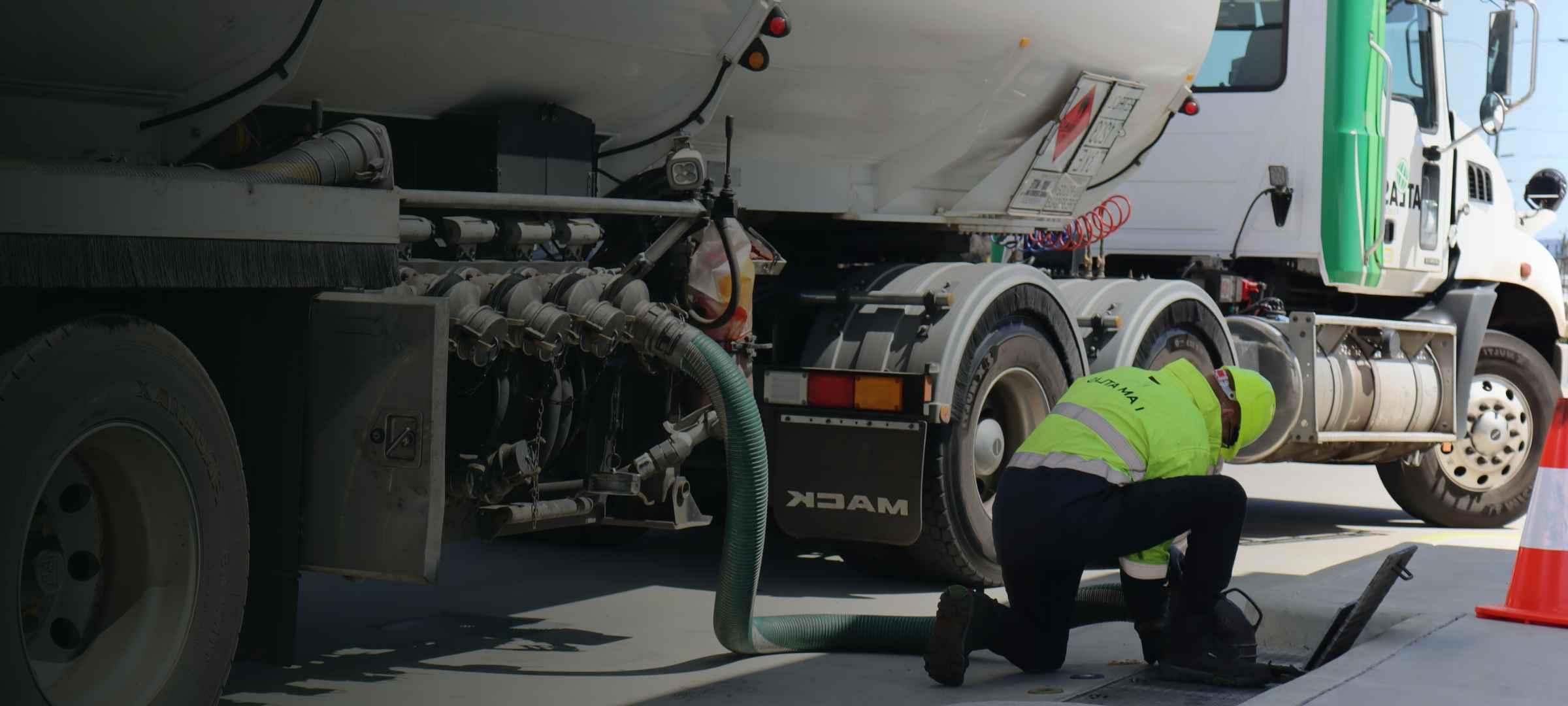
Bulk fuel delivery is not simply “a truck turns up with diesel”. It is a chain: product lifted at a terminal or depot, moved under dangerous goods and heavy vehicle rules, received at a named site with working access and ullage, and paperwork that matches the litres. When any link is vague, sites feel late fuel even when the fleet did its job.
Here is how delivery actually runs — and how Atlas Fuel frames it through fuel transportation.
Three briefs get mixed in the same email:
If downtime is an empty bund on a farm or mine, you may need onsite fills more than a general “delivery” keyword. If you need corridor capability and tanker runs, stay with transport.
Bulk petroleum in Australia typically lifts from a terminal rack or an intermediate depot. The load point decides lead time, grade availability and which vehicle class makes sense. Buyers who only argue cents per litre without asking where the truck loads for their postcode are shopping blind.
Ask:
Those answers belong in the quote pack for fuel transportation.
Atlas Fuel’s head office is at Kwinana Beach, WA. That does not mean every drop is a five-minute metro hop. Regional WA and planned interstate supply each need an honest corridor conversation.
A compliant tanker that cannot turn, couple or stand safely is a failed delivery with excellent paperwork. Before the first run, confirm:
Waiting time and failed-delivery fees are the cost of a site that was not briefed. Put the briefing in writing once; reuse it for every scheduled run.
Healthy bulk fuel delivery is mostly calendar: weekly, fortnightly or seasonal marks that match burn rate. Emergencies still happen — but a network that only sells panic is expensive.
Agree in one sentence:
Farm harvest and mine shutdowns create predictable spikes. Use agriculture fuel or mining fuel when those calendars dominate, then keep the trucking plan on transport or onsite as required.
Retail servo screens and wholesale terminal movements are different instruments. Your landed bulk delivery price still needs differential, freight, drop size assumptions and time-of-day rules in the open.
For wholesale context see fuel prices. For the delivery job itself, quote through fuel transportation.
If the product is “fill our tank on site”, the conversation also uses onsite bulk diesel. Say that split out loud so sales and operations stay aligned.
Send that pack with the first quote request on fuel transportation.
Lift, the run to your receiving point, and paperwork. It does not automatically include tank ownership, monitoring hardware or an unlimited emergency promise unless written.
Related fleet, different job. Logistics moves → fuel transportation. Fills into your storage → onsite bulk diesel.
Yes. Brief seasonal litres via agriculture fuel and choose transport or onsite based on whether you need network moves or tank fills.
Write the three-line brief (account / movement / receiving), attach the site checklist, and request a quote through fuel transportation. For tank-fill-first sites, open onsite bulk diesel in the same thread.
Atlas Fuel: +61 8 6377 7644


